
Here’s a secret most textbooks won’t tell you: the fastest way to sound fluent isn’t memorizing grammar rules. It’s telling stories.
Storytelling practice for English learners works because it connects words to real emotions. When you tell a story, you’re building confidence, learning grammar in context, and developing natural speaking flow.
In this guide, you’ll find practical exercises you can use immediately. These aren’t boring drills. They’re creative storytelling exercises designed to make speaking English feel natural.
Mini Action: Think of the last story you told in English. How confident did you feel?
Table of Contents
- How Storytelling Practice for English Learners Improves Fluency
- Quick English Storytelling Games to Warm Up (5–10 Minutes)
- Creative Storytelling Exercises for ESL Students
- Advanced Storytelling Practice Activities
- Bonus: Record and Review Your Stories
- Final Takeaway: Start Your Storytelling Practice Today
- Frequently Asked Questions
How Storytelling Practice for English Learners Improves Fluency
Before diving into exercises, let’s understand why storytelling activities for ESL students work so well.
You build fluency by thinking in English. When telling a story, there’s no time to translate. Your brain connects ideas directly in English. If you want the complete picture, check out our guide on 10 proven ways to tell better stories in English.
You strengthen grammar naturally. Stories require different tenses working together. Instead of studying rules separately, you practice them the way native speakers actually use them.
Your pronunciation improves. Oral practice for English learners through storytelling teaches pauses, stress, and rhythm—skills you cannot learn from reading alone.
Cultural Insight: Native speakers practice storytelling through games and casual conversation—not just textbooks.
Quick English Storytelling Games to Warm Up (5–10 Minutes)
Let’s start with quick exercises. These English storytelling games take just minutes but create big results.
1. Quickfire Story Prompts for ESL Classes
Respond quickly without overthinking. This is perfect for creative speaking activities for ESL students.
Try these prompts:
- Tell a 1-sentence story about a surprise.
- Tell a 2-sentence story about a mistake you made.
- Describe your morning using only three adjectives.
- Describe a moment when you felt nervous (2 sentences).
- Tell a 2-sentence story about waiting.
- Describe a celebration in your culture (2 sentences).
Mini Action: Pick one prompt. Answer aloud in 15 seconds. Don’t worry about mistakes!
2. Picture Prompts for English Learners
Picture prompts for English learners give your brain something concrete to describe.
Imagine this picture: A crowded train station. A young woman runs with a suitcase. The departure board shows “2 minutes.”
Write three sentences:
- What happened before?
- What is happening now?
- What will happen next?
Cultural Insight: Teachers in UK and US classrooms use picture prompts daily. It’s one of the most popular story-based English lessons worldwide.
Creative Storytelling Exercises for ESL Students
Now let’s explore the main exercises. Each targets different skills while keeping things engaging.
3. The “5-Token Story” Exercise
This storytelling activity forces creativity while building vocabulary. You receive 5 random words and create a story including all five.
Your word set: coffee, airport, shoes, teacher, problem
Mini Action: Create a 4-5 sentence story using all five words. Say it aloud!
4. Time-Travel Story (Tense Practice)
This exercise improves your English fluency through stories by practicing narrative tenses. For a deeper dive into tenses, see our guide on 3 essential tenses for storytelling.
Follow these steps:
Past Simple: Write 2 sentences about a specific event.
Next, Past Continuous: Add background details about what was happening around that event.
Then, Past Perfect: Explain what had happened before.
Finally, Present Tense: End with a reflection or lesson learned.
Cultural Insight: This imitates how native speakers naturally mix narrative tenses.
5. “Story Dice” (Even Without Dice!)
Fun storytelling games for language learners don’t need expensive materials.
| Category | Options |
|---|---|
| Character | doctor, student, grandmother, chef |
| Place | beach, hospital, mountain, library |
| Emotion | nervous, excited, confused, proud |
| Object | phone, letter, key, photograph |
| Problem | lost something, late, misunderstanding |
Mini Action: Choose: doctor, beach, nervous. Create a 3-line story!
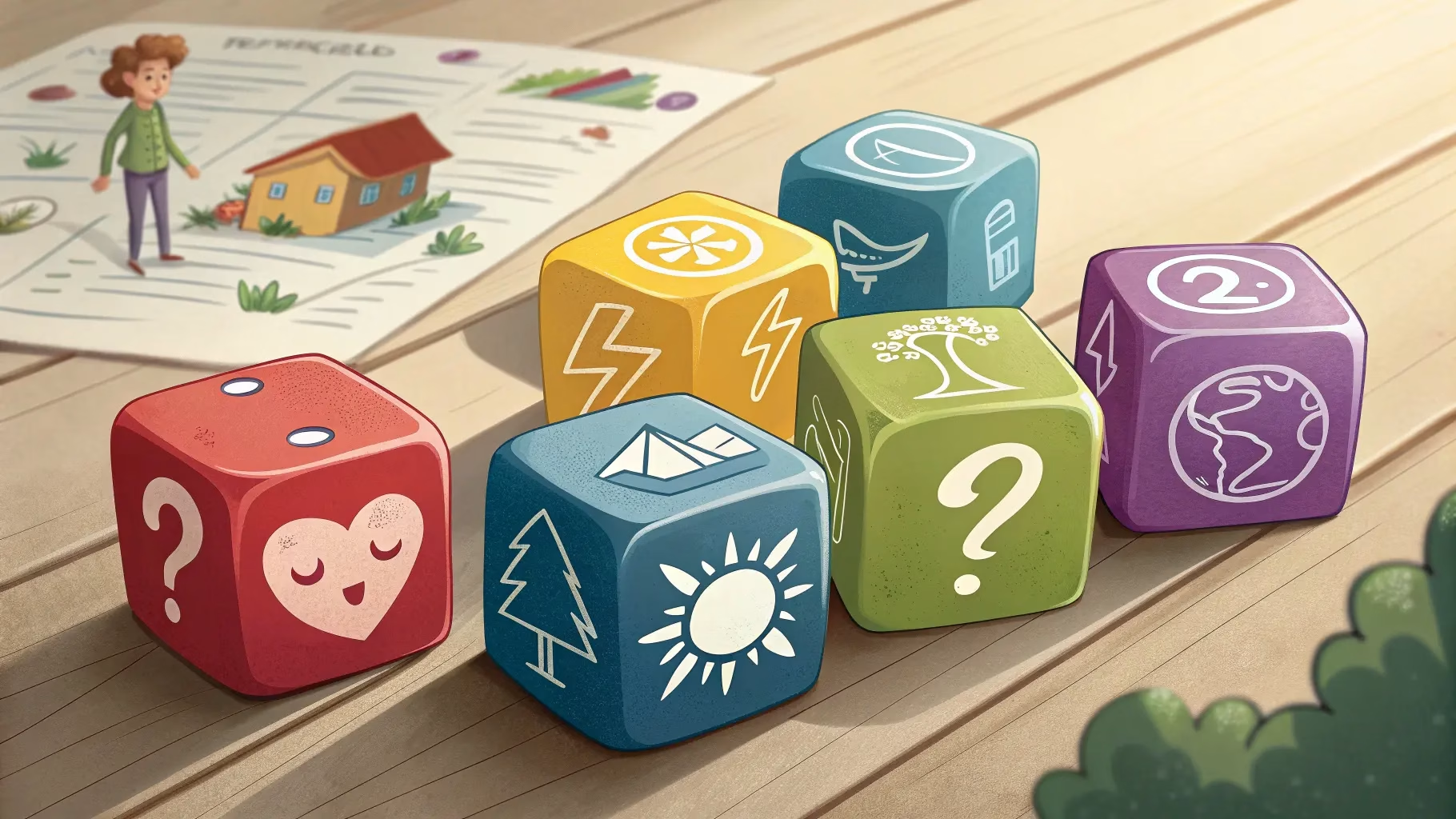
Story Dice Game for English Storytelling Practice
6. Dialogue-Only Story Exercise
Tell a complete story using only conversation. No description—just dialogue.
Example: “Where were you?” “You won’t believe what happened.” “Try me.”
This improves natural conversation flow—essential for oral practice for English learners.
7. 30-Second Story Challenge
Tell the same story three times, adding detail each round.
Round 1 (30 seconds): Basic events only. Round 2 (45 seconds): Add feelings and thoughts. Round 3 (60 seconds): Include descriptions and background.
This builds stamina and reduces pauses when improving speaking with stories.
Advanced Storytelling Practice Activities
Ready to push further? These exercises require more creativity and control.
8. Retell and Transform
Take one simple event and retell it three ways: serious, funny, and dramatic.
Example event: “I cooked dinner and burned it.”
Notice how vocabulary and sentence length change with tone. Want to add personality? Learn some English idioms for storytelling to make your stories more colorful.
Cultural Insight: Native speakers naturally shift tone to entertain different audiences.
9. Emotion-Driven Storytelling
Choose one emotion: excited, embarrassed, angry, or proud. Tell a simple story filtered through that emotion.
Example situation: Waiting in a long line.
Excited version: “You won’t believe this line! So many interesting people! I met someone from Brazil and saw the cutest dog!”
Mini Action: Tell a story about waiting—but make it exciting!
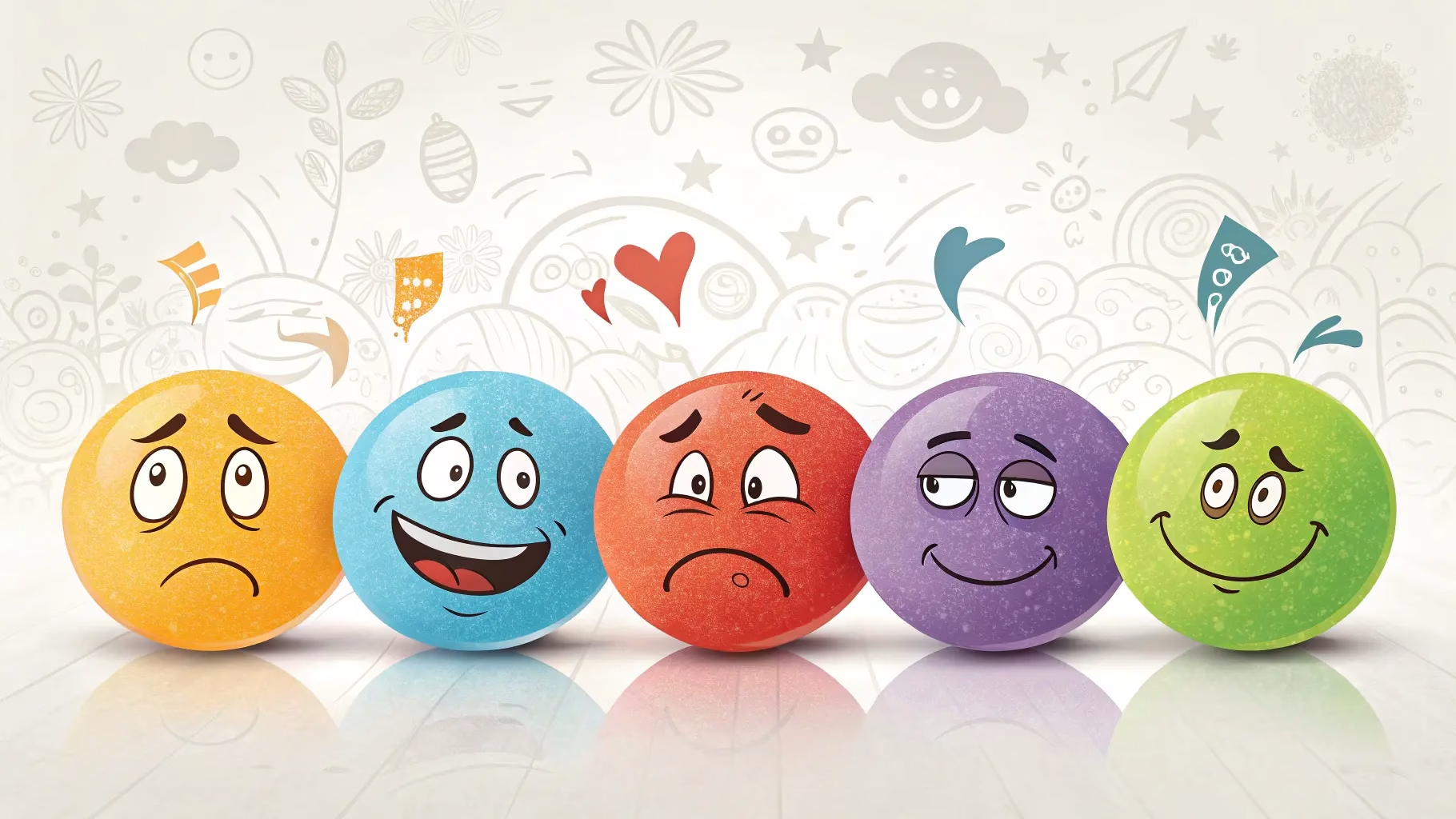
Emotion Faces for English Storytelling Exercises
10. The “Before–During–After” Method
This structure creates clarity and engagement. Many learners struggle here—avoid common storytelling mistakes by following this template.
BEFORE: What led to the situation? DURING: What was the key moment? AFTER: What happened next? What did you learn?
Bonus: Record and Review Your Stories
This transforms practice into measurable improvement.
Steps:
- Record a 1-minute story on your phone.
- Listen for pauses, filler words, and unclear sentences.
- Rewrite problem areas and record again.
- Compare both recordings.
Mini Action: Record a 30-second story now. Listen once without judging yourself.
Subscribe for Free English Tips
Final Takeaway: Start Your Storytelling Practice Today
Storytelling improves fluency faster than grammar drills ever will. These exercises help you think in English, not translate.
Choose one exercise from this guide and complete it today. Start simple—maybe quickfire prompts or the 30-second challenge. Build a daily habit, and your English will transform.
Need more everyday expressions to use in your stories? Check out 75 English phrases for daily life and visit store.clipyourenglish.com for additional resources.
Mini Action: Set a 5-minute timer. Pick any exercise. Complete it now!
Frequently Asked Questions
Storytelling combines vocabulary, grammar, pronunciation, and fluency in natural context. Stories require connecting ideas and expressing emotions—exactly what real conversations demand.
Picture prompts, story dice games, dialogue exercises, and timed challenges work best. Starting with structured prompts builds confidence before moving to open-ended exercises.
Yes! Story-based English lessons introduce vocabulary in context, making words memorable. Grammar patterns appear naturally, so learners absorb them without conscious effort.
Add time limits for excitement. Use random elements like story dice. Try partner work where one person starts and another finishes. Celebrate creativity over perfection.
Start with topics your students care about. Design exercises with clear structures like Before-During-After. Always include examples before asking students to try independently.